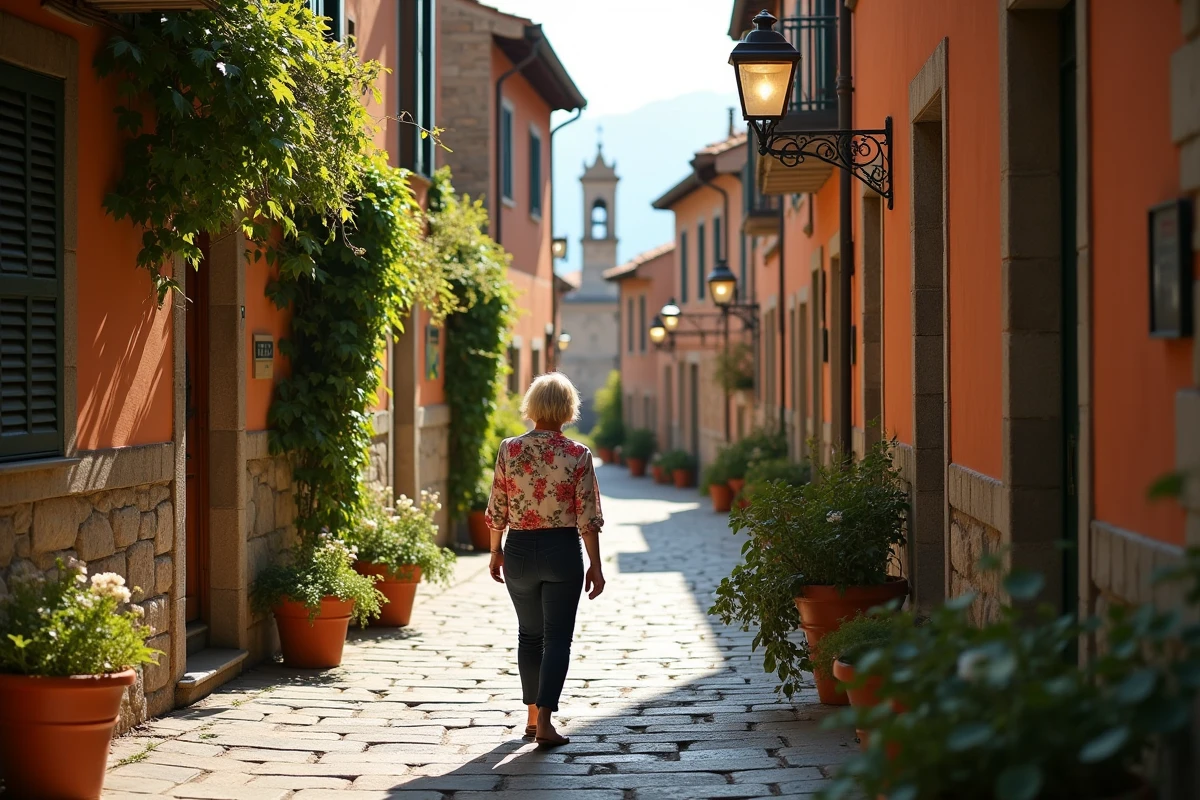
Pietra d’Alba does not appear in any Italian municipal register. This name, found on travel sites and rental offers, actually refers to a micro-toponym associated with the municipality of Alba, in the province of Cuneo, in the heart of Piedmont. Understanding this administrative peculiarity changes the way to approach the place, its tourist resources, and what one can reasonably expect on site.
Pietra d’Alba on the map: a toponym without an official municipality
The confusion surrounding Pietra d’Alba stems from a recurring misunderstanding. Several online guides present it as a “picturesque region” or a “secret village,” sometimes located between sea and mountains. Pietra d’Alba is a rural hamlet of the municipality of Alba, not an autonomous geographical entity.
Alba itself is located in the Langhe, a hilly wine-growing area in southern Piedmont. The hamlet is thus situated in rolling plains, far from any maritime front. Content that evokes “landscapes between sea and mountains” projects a geography onto this place that does not correspond to the terrain.
To see where Pietra d’Alba is located in Italy, one must look in the immediate vicinity of Alba, between Nebbiolo vineyards and walnut groves, at a modest altitude on the first hills of the Langhe.
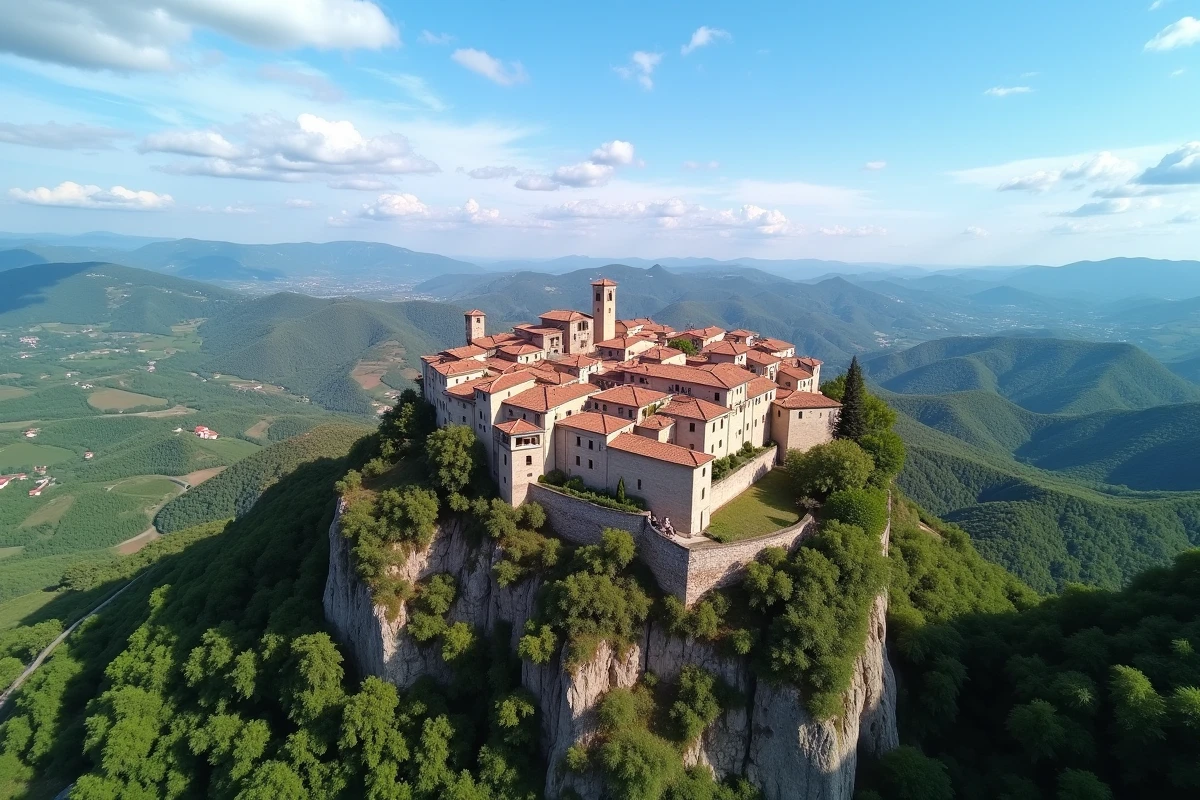
UNESCO classification of the Langhe: what it means for Pietra d’Alba
The location of Pietra d’Alba places it directly within the UNESCO World Heritage site titled “Vineyard Landscapes of Piedmont: Langhe-Roero and Monferrato.” This classification has concrete consequences for the hamlet and its surroundings.
Landscape protection and urban planning constraints
The UNESCO perimeter imposes restrictions on new constructions and modifications to existing buildings. Owners of casa or villa in this area must adhere to strict architectural standards: materials, heights, facade colors. These constraints partly explain the remarkable state of conservation of traditional buildings around Alba and its hamlets.
For travelers, this translates into a preserved landscape where vineyards are not encroached upon by urban sprawl. However, the accommodation options remain limited in volume. Holiday rentals (villa with pool, charming casa) are negotiated at significantly higher rates than in other unclassified rural areas of Piedmont.
Wine tourism promotion around Alba
The classification has accelerated the rise of wine tourism in the sector. Alba, self-proclaimed capital of the white truffle, also concentrates the Barolo and Barbaresco appellations, two of the most renowned red wines in Italy. Short stays focused on tastings and grape harvesting have multiplied in recent years.
Pietra d’Alba benefits from this influx due to its proximity. Travelers who book a rental in the hamlet can access wineries, Alba’s restaurants, and seasonal events related to truffles and Piedmont wines within minutes.
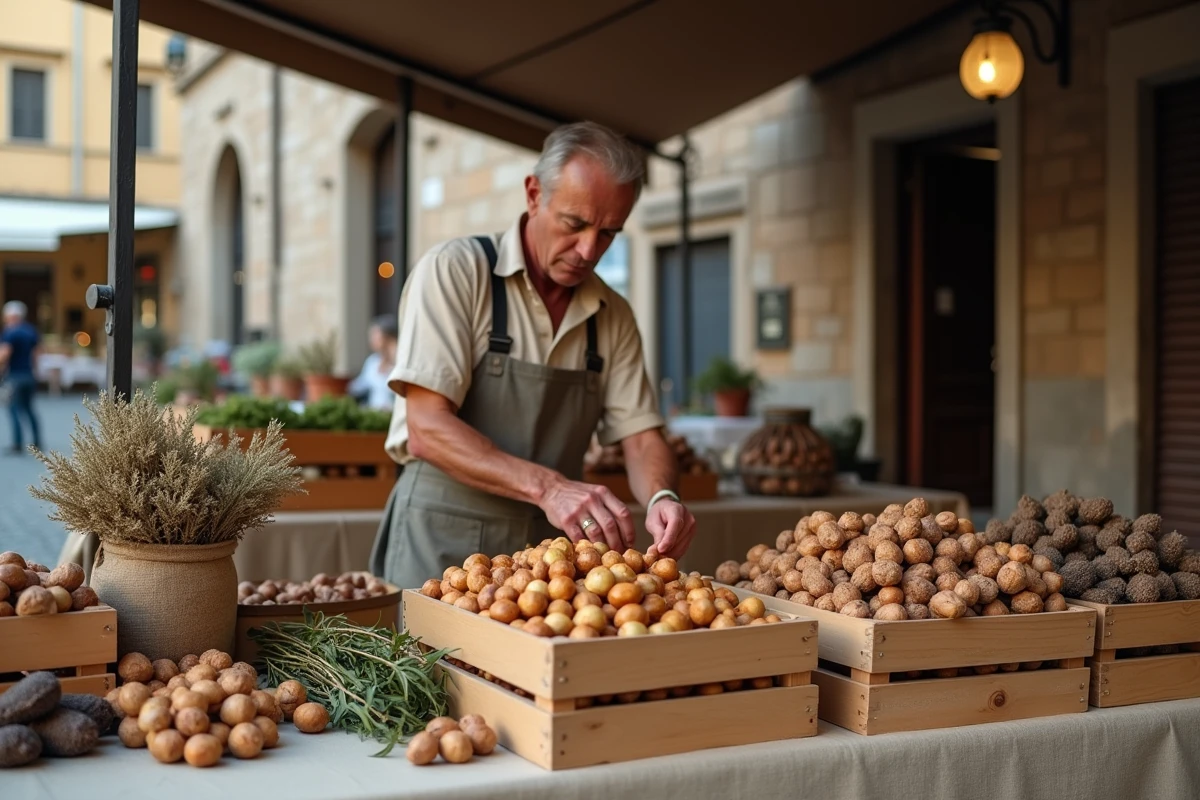
Vineyards, local stone, and built heritage: what you actually find on site
Existing articles often describe Pietra d’Alba using vocabulary borrowed from tourist brochures. The term “pietra” (stone in Italian) further fuels confusion with a type of local rock.
What is observable on the ground is more akin to classic Piedmontese built heritage:
- Buildings made of local limestone, typical of the hamlets of the Langhe, with thick walls and roofs of slate or tile
- Terraced vineyards on the surrounding hills, primarily planted with Nebbiolo, Barbera, and Dolcetto
- Hiking trails that cross the vineyards and offer views of the hills, without significant elevation changes
The historical heritage specific to the hamlet remains modest compared to that of Alba itself, which has a cathedral (San Lorenzo), medieval towers, and a structured historic center. Pietra d’Alba derives its charm from its rural setting and tranquility, not from a monumental inventory.
Staying in Pietra d’Alba: what rental offers do not always specify
Booking platforms offer villas and casas around Pietra d’Alba highlighting pools, vineyard views, and proximity to Alba. A few points deserve to be checked before booking.
- Access is via narrow, winding roads, sometimes unpaved in the last few hundred meters, which complicates arrival without a personal vehicle
- The nearest shops and restaurants are located in Alba, not in the hamlet itself, which lacks nearby services
- Mobile network coverage can be uneven depending on the orientation of the hill, a detail rarely mentioned in listings
These elements do not detract from the appeal of the place. They simply help adjust expectations between marketing promises and the reality of a stay in a Piedmontese agricultural hamlet.
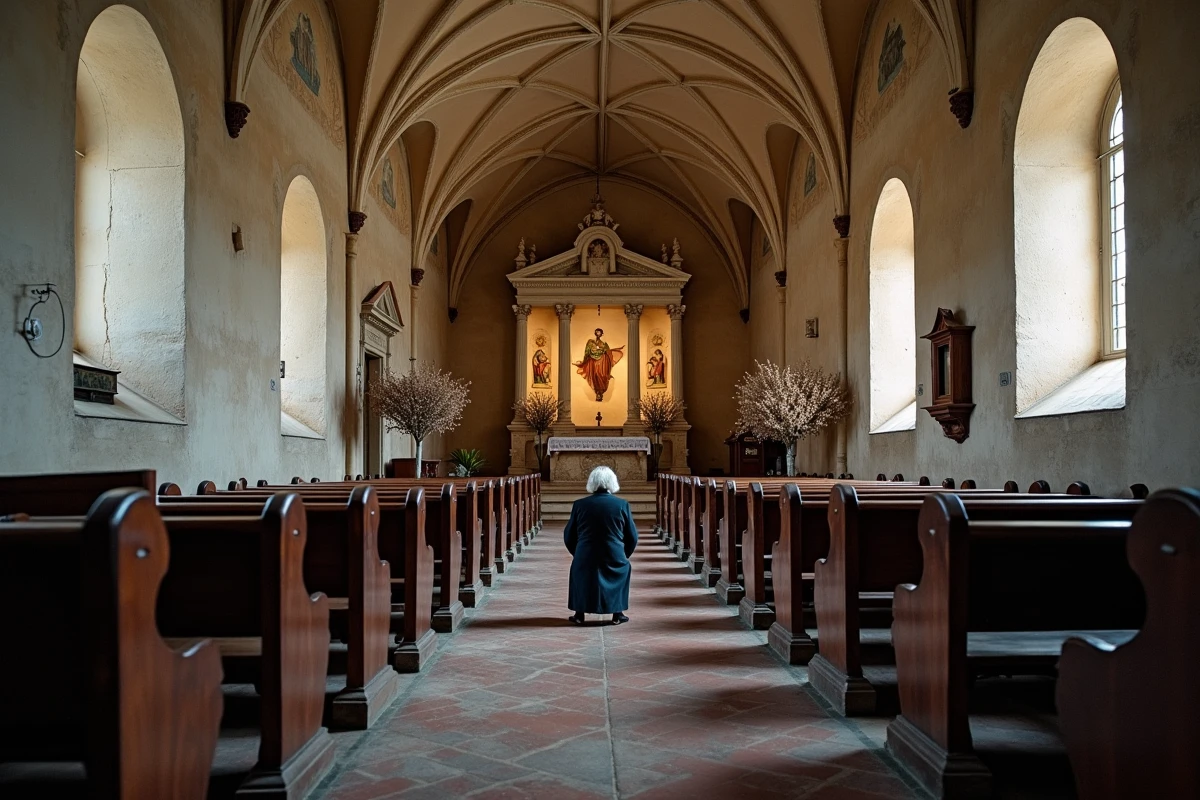
Pietra d’Alba is neither a region nor an independent village, but a place-name rooted in one of Italy’s most protected terroirs. The hamlet provides direct access to the Langhe, their wines, the white truffle of Alba, and a landscape that the UNESCO classification keeps safe from rapid transformations.
The nearest lake, the major cities of Piedmont, and the Alps in the background create a setting that is best accessed by road, not by high-speed train.