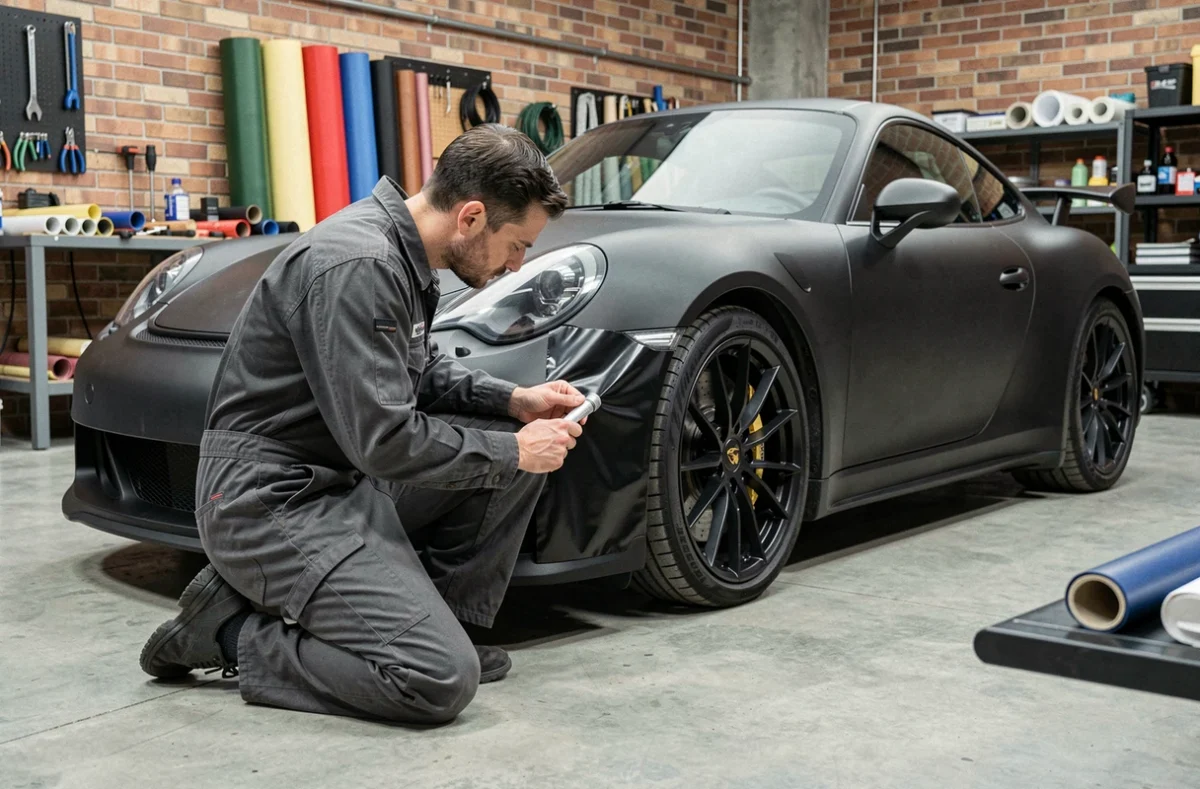
Car customization covers a wide spectrum, from simple decorative stickers to engine remapping. Between aesthetic modifications and mechanical interventions, regulatory constraints do not weigh the same way. Comparing these two axes allows us to measure where the real trade-offs lie for a tuning project in 2026.
Aesthetic tuning or performance tuning: what the regulations really impose
The modifications made to a vehicle are not all subject to the same administrative requirements. The table below contrasts the two main families of customization based on the criteria that matter when taking action.
| Criterion | Aesthetic Tuning | Performance Tuning |
|---|---|---|
| Common Examples | Wrapping, stickers, rims, headlights, interior accessories | Engine remapping, sports exhaust, modified suspension |
| Homologation Requirement | Rare (except for modifications to dimensions or regulated lighting) | Frequent as soon as technical characteristics change |
| Isolated Reception (RTI) | Not required in most cases | May be required if declared power or weight is modified |
| Impact on Car Insurance | Declaration recommended, rarely blocking | Mandatory declaration, possible surcharge, denial of coverage in case of omission |
| Risk at Technical Inspection | Low if lighting and visibility standards are respected | High if pollution control devices (DPF, EGR, AdBlue) have been removed |
This breakdown shows that aesthetic tuning remains the most accessible from an administrative standpoint. Mechanical customization involves heavier documentation processes, which can sometimes be discouraging.
Specialists like Vegatuning offer a catalog focused on accessories and aesthetic parts that allows for transforming a vehicle’s appearance without entering the regulatory gray area.
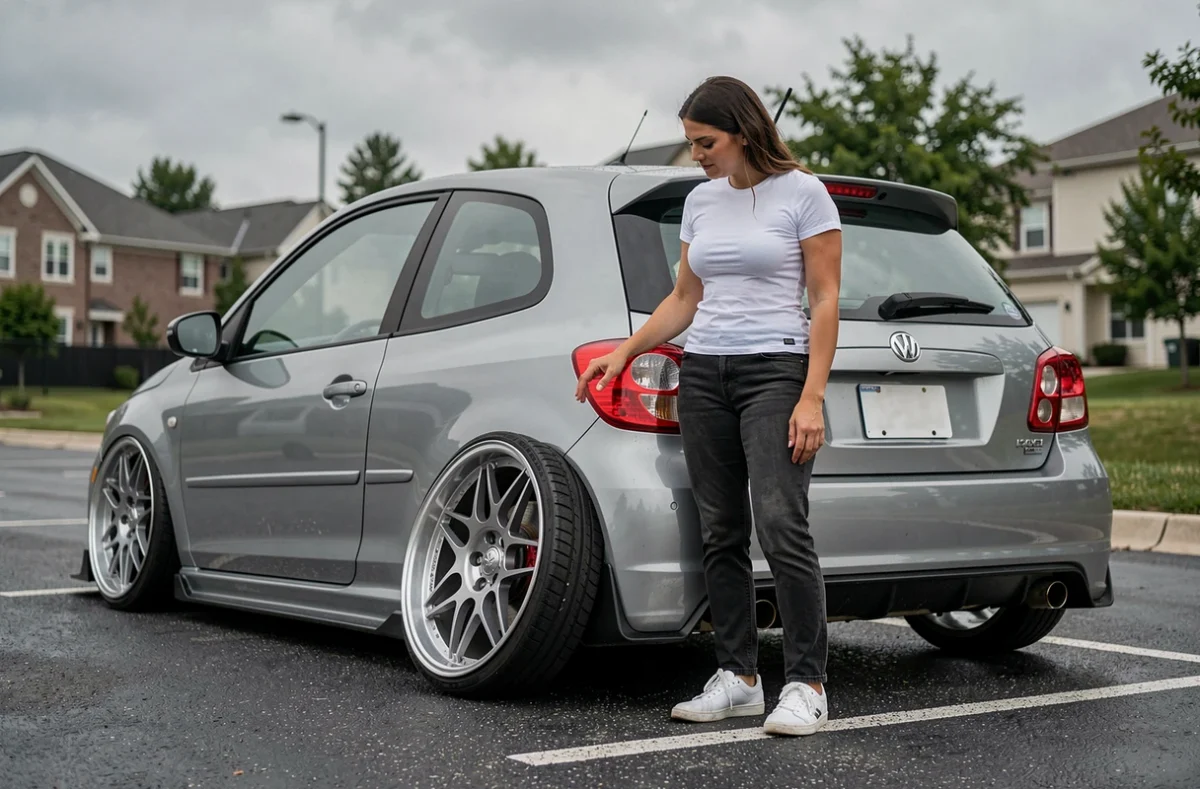
Engine remapping and pollution control device removal: legal limits in 2026
Engine remapping is the most regulated segment of performance tuning. In 2026, several regulatory reminders confirm that the removal of pollution control devices such as DPF, EGR, or AdBlue is prohibited. This prohibition applies not only to technical inspections but also during roadside checks.
A notable modification of the vehicle’s technical characteristics (power, torque, weight) may require an isolated reception. This procedure involves providing a precise documentary file:
- Detailed invoice of parts and labor, clearly identifying the modifications made
- Technical notice of the transformations, describing the impact on performance and safety
- Up-to-date technical inspection report, certifying compliance post-modification
- Technical documentation from the manufacturer of the installed parts (certificates, homologation sheets)
Without this complete file, the vehicle may be refused registration or fail the technical inspection. Legal customization relies as much on paperwork as it does under the hood.
License plates and stickers: a detail that can be costly
Tuning guides often focus on rims, wrapping, or body kits. One control point often flies under the radar: the license plate. In 2026, the addition of stickers, logos, or emblems on the plate remains prohibited and exposes one to a financial penalty.
This rule applies even to decorative stickers or small car club emblems that some owners habitually stick on. The plate must remain compliant with the regulatory format, without any additions or partial masking of characters.
For customization enthusiasts, the area of expression is limited to the authorized elements: background color of the department, regional logo in the designated frame. Any fanciful addition outside this framework becomes a reason for citation.
Customization on new or old vehicles: a growing gap
The obligations of the GSR2 regulation, which came into effect in July 2026 for new vehicles, impose new safety systems (intelligent speed limiter, cameras, lane departure alerts). These integrated devices complicate the modification of a new vehicle without touching the onboard electronics.
In contrast, vehicles already registered before this date are not subject to mandatory retrofitting. A used vehicle prior to 2026 remains easier to customize without interfering with factory-integrated driving aids.
This asymmetry creates two distinct markets in tuning. On a recent base, exterior aesthetic modifications (wrapping, rims, lighting) remain possible, but interventions on electronics or mechanics become riskier. On an older base, the range of possibilities remains broad, provided that existing pollution and safety standards are respected.

Car insurance and declaration of modifications: what changes concretely
Any modification made to a vehicle must be declared to the insurer. This obligation applies to both aesthetic tuning and performance tuning, even if the consequences differ.
A wrapping or a change of rims rarely leads to a surcharge. The insurer notes the modification and may adjust the declared value of the vehicle. An engine remapping or a change of suspension, on the other hand, may alter the driver’s risk profile and lead to a reassessment of the contract.
Failing to declare a modification exposes one to a denial of compensation in the event of a claim. The insurer may invoke misrepresentation to cancel coverage, even if the modification is not directly related to the accident. This risk remains the most underestimated by car tuning enthusiasts.
The best-prepared customization project incorporates the administrative dimension from the start: checking compatibility with the insurance contract, compiling the technical file, and keeping every invoice. It is this documentary rigor, more than the choice of parts, that separates a successful customization from a project that turns into a headache.