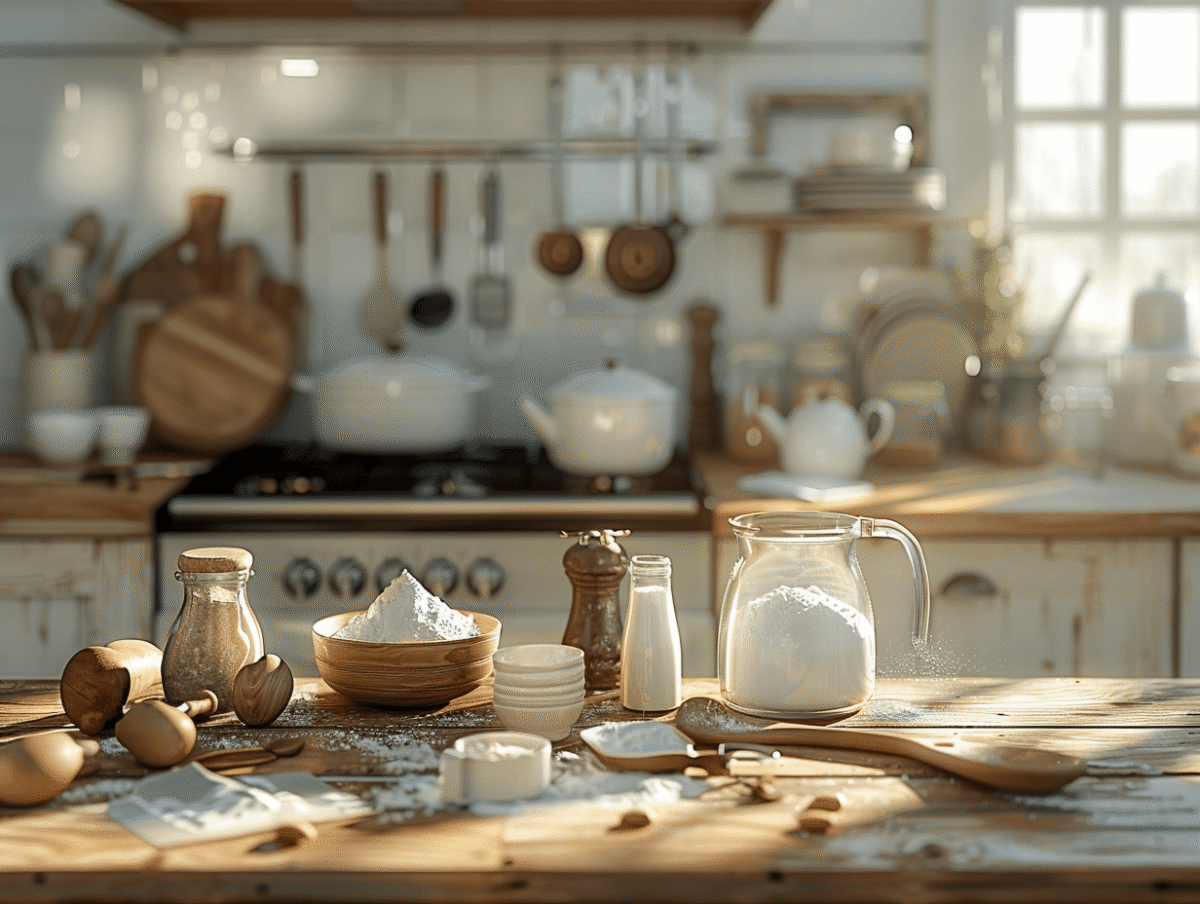
Cooking is an art that requires precision and attention to detail, especially when it comes to measuring ingredients. Knowing how to convert volumes can make all the difference between a successful dish and a true culinary disaster. Imagine preparing an American recipe that calls for cups and ounces, while you only have measuring cups in milliliters.
Fortunately, a few simple tips can help you easily navigate between these different units. For example, one cup is approximately 240 milliliters, and a teaspoon represents 5 milliliters. Keeping these benchmarks in mind, even the most complex recipes become accessible.
The Fundamentals for Mastering Volume Conversions in Cooking
Understanding volume conversions is essential for successfully executing your recipes. A miscalculation can undermine the precision required in cooking. To facilitate these conversions, here are some indispensable benchmarks:
- 1 liter equals 1000 milliliters.
- 1 liter also equals 100 centiliters.
- 1/4 liter in ml corresponds to 250 milliliters.
To master these conversions, use appropriate tools. A measuring cup graduated in milliliters and centiliters is very useful. Measuring spoons also allow for precise measurement of small quantities. For example:
- 1 tablespoon: 15 milliliters.
- 1 teaspoon: 5 milliliters.
- 1 cup: 240 milliliters.
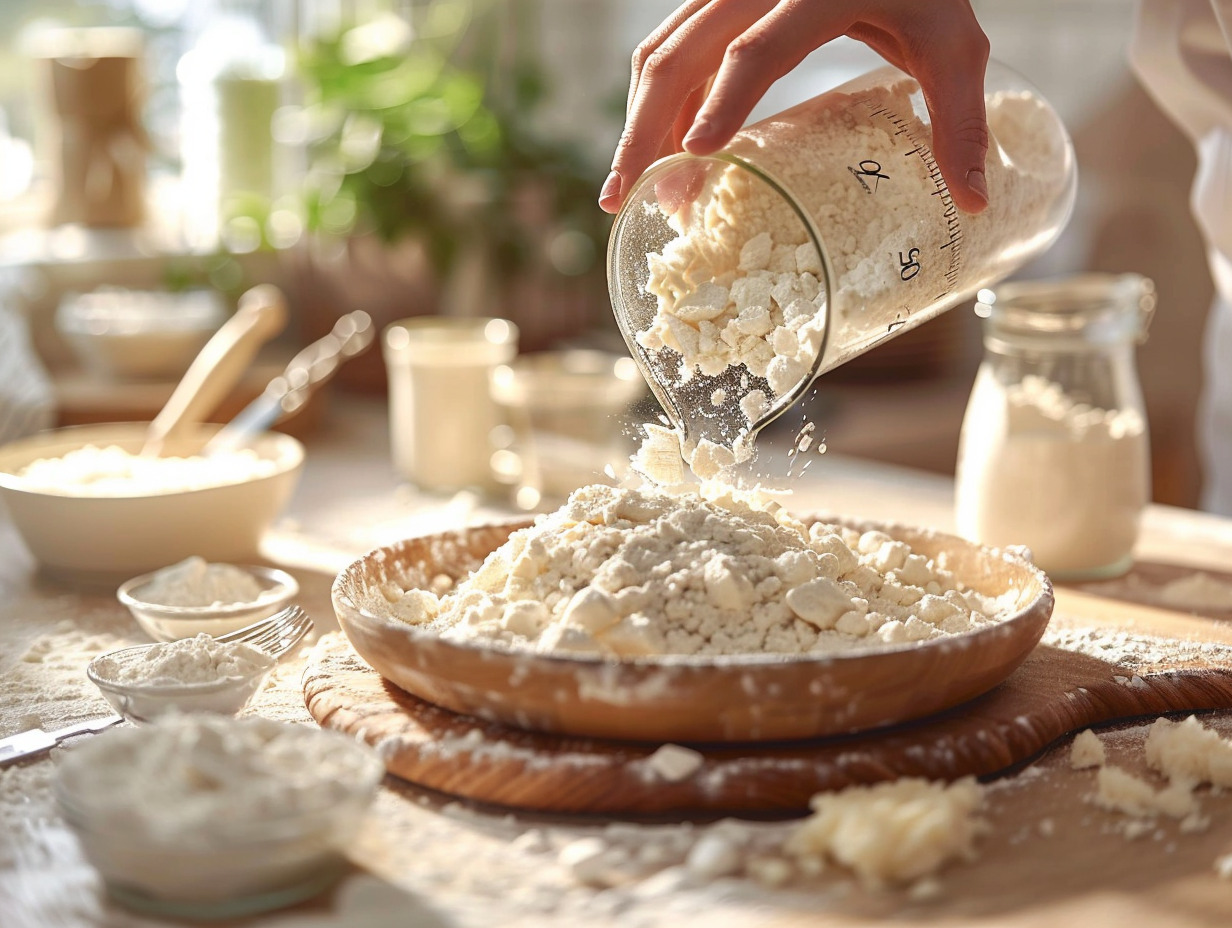
Conversion errors can occur due to the different densities of ingredients. For instance, 100 milliliters of water does not weigh the same as 100 milliliters of flour. Use a kitchen scale to convert volumes to weight and vice versa, depending on the density of each ingredient.
Find these essential tools and benchmarks to ensure the consistency of your culinary results. Precision is key to avoiding mistakes and successfully executing your preparations.
Practical Tips and Concrete Examples for Successful Conversions
To successfully convert volumes in cooking, a few practical tips and concrete examples are essential. Use tools like measuring cups, measuring spoons, and a kitchen scale to ensure the accuracy of your measurements.
Here are some common conversions that will facilitate your preparations:
- 1 tablespoon: 15 milliliters
- 1 teaspoon: 5 milliliters
- 1 cup: 240 milliliters
For solid ingredients, a kitchen scale is indispensable. For example, 100 grams of sugar does not have the same volume as 100 grams of flour due to the different densities of these ingredients. Converting volumes to weight, and vice versa, requires taking into account the specific density.
Conversion Tables: A Valuable Tool
Conversion tables are valuable allies. Here is an example of a table for converting volumes to milliliters:
| Volume | Milliliters (ml) |
|---|---|
| 1 tablespoon | 15 ml |
| 1 teaspoon | 5 ml |
| 1 cup | 240 ml |
Use these tools and tips to ensure the consistency of your culinary results. Adapt the measurements according to the specific needs of each recipe. Precision is key to avoiding errors and ensuring successful preparations.